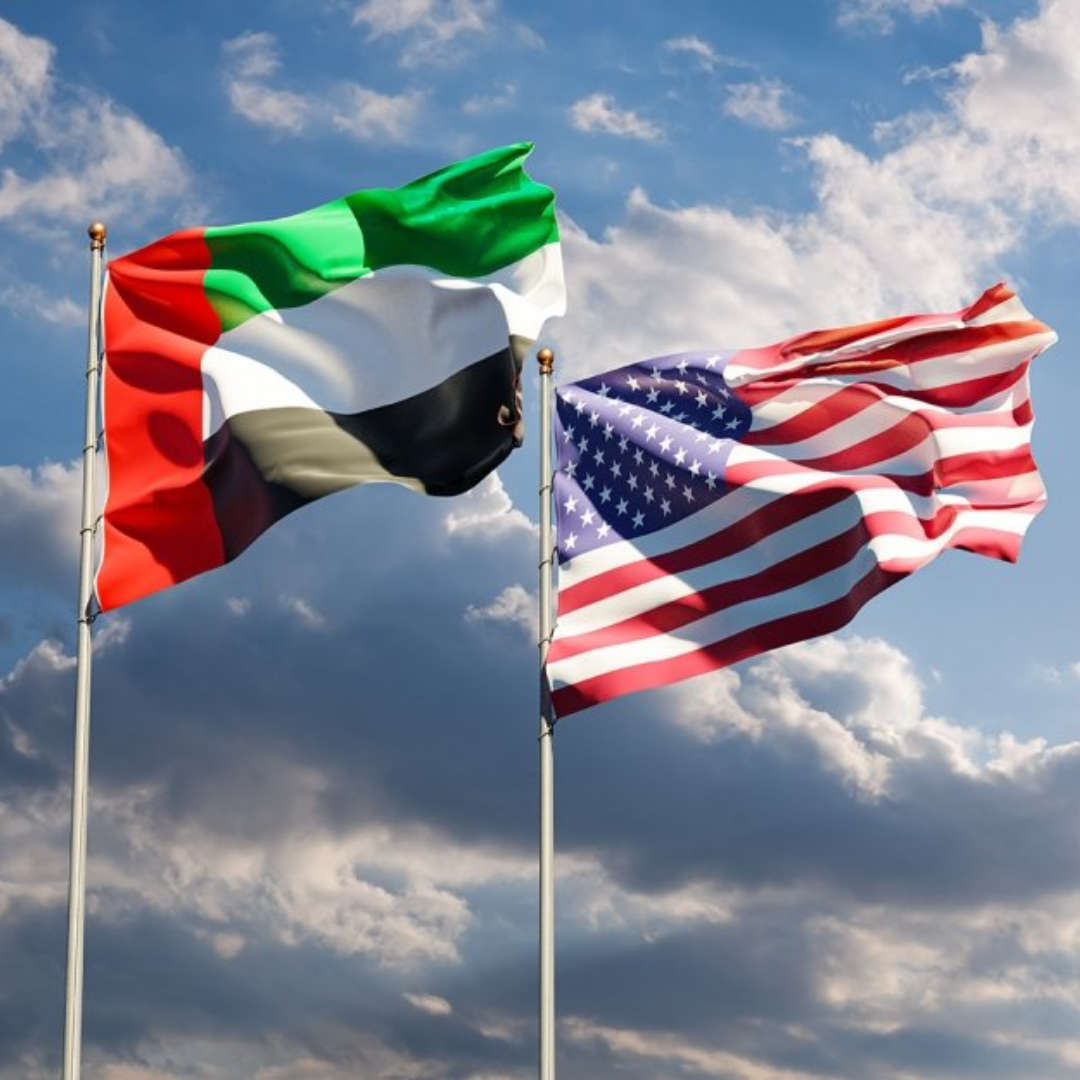


The United Arab Emirates won’t bow to investors betting low oil prices will force it to drop its currency peg this year, a Bloomberg survey of Dubai-based currency professionals shows. The survey, conducted on May 26, showed 86 percent believe the U.A.E.’s dirham will remain pegged to the dollar in 2016, with 41 percent saying it would “definitely not” be broken. The timing of the Federal Reserve’s interest-rate increases was the biggest concern among the fifty foreign-exchange traders, strategists, and corporate treasurers who were polled. Currency fixings in the six-nation Gulf Cooperation Council have been the subject of increasing speculation after the drop in oil prices over the past two years slashed revenue for governments highly dependent on crude exports. Some investors are betting it may become too expensive to maintain the pegs as the GCC battles to plug fiscal shortfalls the International Monetary Fund says will total almost $900 billion through 2021. U.A.E. Central Bank Governor Mubarak Rashed Al Mansoori reiterated his country’s commitment to the dollar peg in an interview earlier this month. Saudi Arabia this month ordered banks in the kingdom to stop selling some products that allow speculators to bet against its currency peg just days after demanding information from lenders on the offerings, according to people with knowledge of the matter. Hedge funds such as PointState Capital and Pershing Square Capital Management have wagered that Saudi Arabia may drop the riyal’s fixed rate. By Gabrielle Coppola/Bloomberg

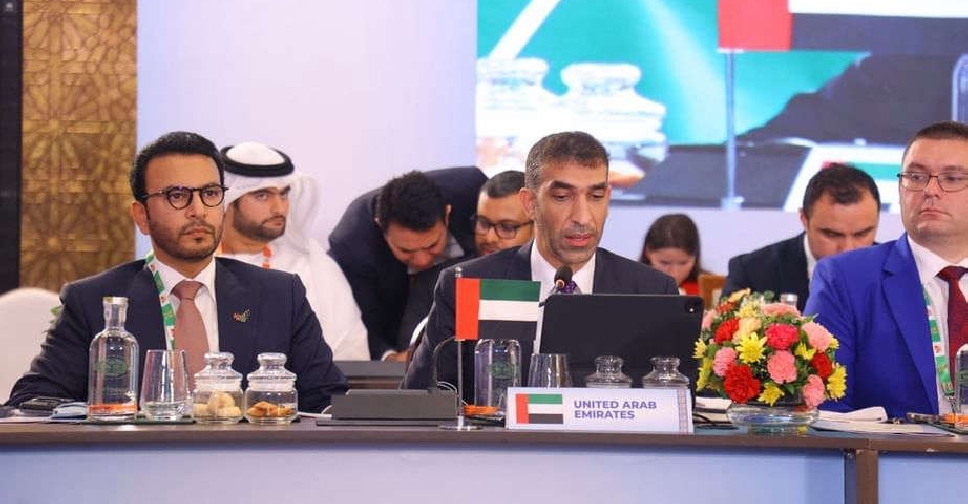 UAE-BRICS non-oil trade tops $312 billion
 ADNOC affirms commitment to meeting customer requirements despite challenges
 Meta ordered to pay $567 million in New Mexico for teen mental health fund
 UAE sets minimum excise price for e-cigarette liquids
 Meta apologises to India for restricting PM Modi's post