
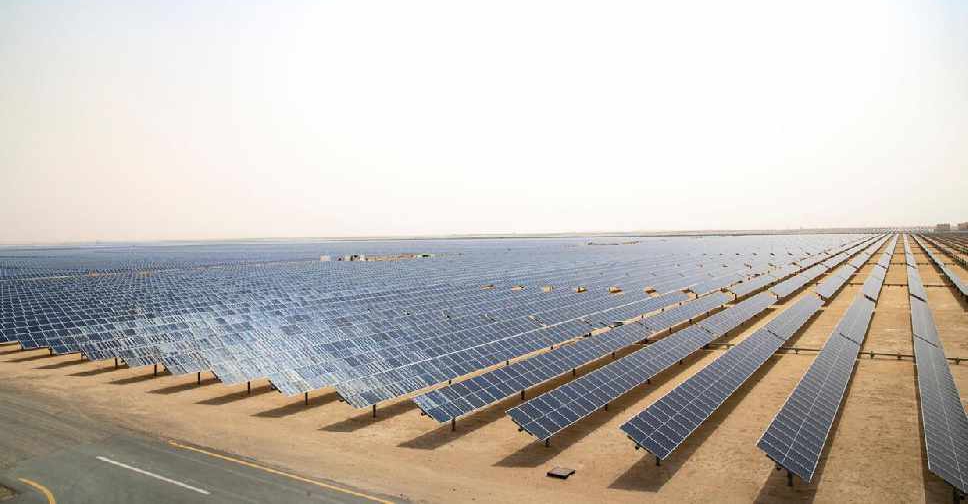
The UAE is expected to exceed its renewable energy capacity ambitions for 2030, the International Energy Agency (IEA) said.
According to the IEA's Renewables 2024 report, “MENA countries' combined ambition is to reach 201 GW of renewable capacity by 2030”. While the main-case forecast falls 26 percent short of this ambition, not all countries will miss their announced ambitions. Saudi Arabia, Egypt, and Algeria are responsible for nearly 60 per cent of the region’s total ambition, and although the outlook is more optimistic than last year in these markets, the IEA forecast indicated that installed capacity still falls short of their 2030 ambitions."
Growth in the region could be 60 per cent (152 GW) higher than in the main case – nearing the realisation of the 2030 ambition – if countries meet three key challenges. The first is faster auction implementation. Opening tenders, selecting winners and signing PPAs often takes more than one year, so hastening the process would get more projects online sooner.
The second challenge is to improve the regulatory and policy environment for distributed solar PV by implementing reforms to allow self-consumption and introduce remuneration for excess electricity generation, the report went on to say. While a number of countries have established legal frameworks for self-consumption and net metering, there is no public data available indicating significant deployment in the commercial and residential sectors except for the United Arab Emirates, implying that implementation remains a challenge. In addition, ensuring that electricity tariffs are cost-reflective through reforms would make renewable energy more economically attractive, especially for large industry.
“Finally, more growth,” the report went on to say, “would occur with greater industrial electrification and with the removal of barriers to new market entrants to allow for more widespread use of corporate PPAs.”
Meanwhile, Solar PV capacity in the Middle East and North Africa is expected to grow 84 GW by 2030, with more than half coming from Saudi Arabia and the United Arab Emirates. Overall, installed solar PV capacity in the region is expected to increase more than fourfold between 2024 and 2030, expanding its share in the power mix from 2 per cent to over 8 per cent.

 UAE-Russia services and investment agreement takes effect
 UAE backs closer tourism cooperation at BRICS meeting
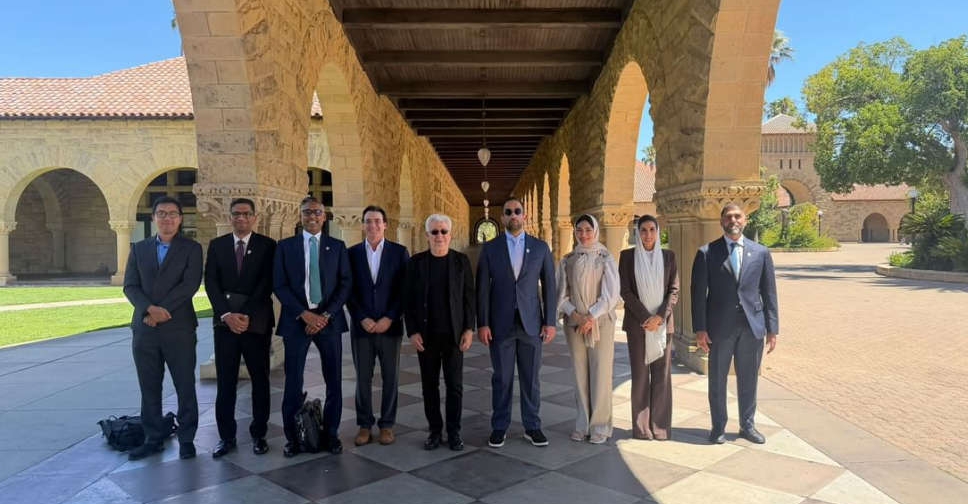 Abu Dhabi DoE expands tech partnerships during US visit
 US, Canada fail to reach a tariff deal, deepen trade war
 Hudayriyat Island tops Abu Dhabi property sales