

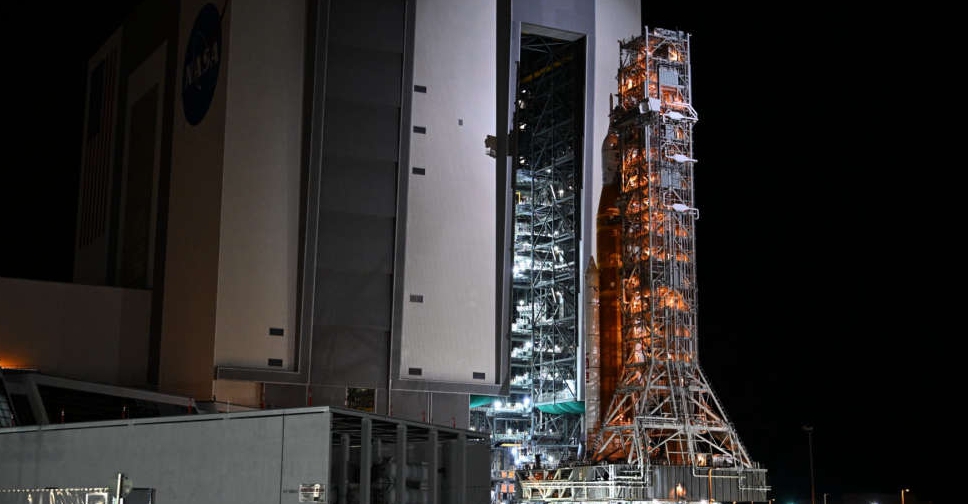
NASA's gigantic Space Launch System moon rocket, topped with an uncrewed astronaut capsule, began an hours-long crawl to its launchpad on Tuesday night ahead of its debut test flight this month.
The 98 metre rocket is scheduled to embark on its first mission to space, without any humans, on August 29.
It will be a crucial, long-delayed demonstration trip to the moon for NASA's Artemis program, the United States' multibillion-dollar effort to return humans to the lunar surface as practice for future missions to Mars.
The Space Launch System emerged from its assembly building at NASA's Kennedy Space Center in Florida about 10 p.m. EDT (0200 GMT) on Tuesday and began a 6-kilometre trek to its launchpad.
Moving less than 1.6 kph, the rollout will take roughly 11 hours.
Sitting atop the rocket is NASA's Orion astronaut capsule. It is designed to separate from the rocket in space, ferry humans toward the moon and rendezvous with a separate spacecraft that will take astronauts to the lunar surface.
For the August 29 mission, called Artemis 1, the Orion capsule will launch on top of the Space Launch System without any humans and orbit the moon before returning to Earth for an ocean splashdown 42 days later.
If bad launch weather or a minor technical issue triggers a delay on August 29, the National Aeronautics and Space Administration has backup launch dates on September 2 and September 5.


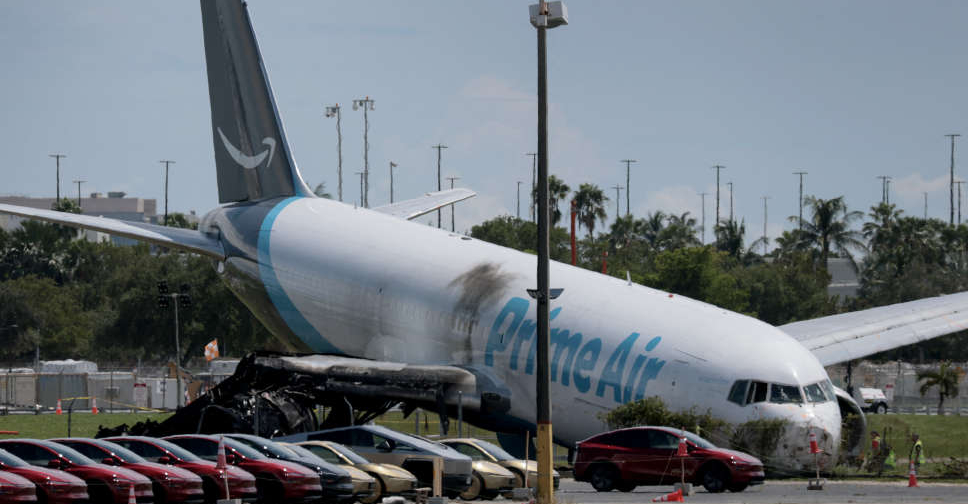 Amazon pauses operations with 21 Air after Miami cargo plane crash
 Eleven injured in ammonia gas leak at Jordan's Aqaba industrial complex
 Voting starts in Philippines' south after three killed in election violence
 Italy's Catania airport shuts again as Etna ash halts flights
 Indonesia rescuers battle turbulent seas in search for 129 people after ship capsizes