

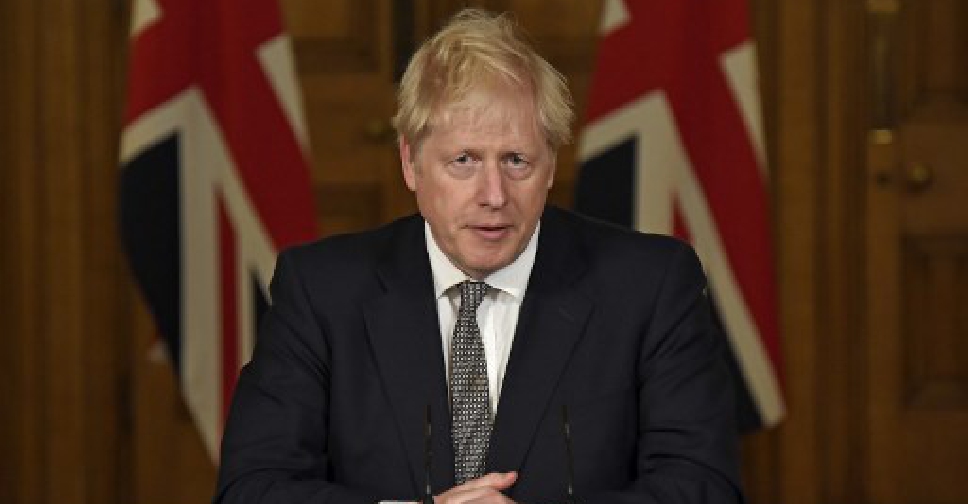
The British Prime Minister Boris Johnson has announced another national lockdown after the country passed the milestone of one million COVID-19 cases.
The second wave of infections is threatening to overwhelm the health service.
The UK, which has the biggest official death toll in Europe from COVID-19, is grappling with more than 20,000 new coronavirus cases a day and scientists have warned the "worst case" scenario of 80,000 dead could be exceeded.
Johnson, at a hastily convened news conference in Downing Street after news of a lockdown leaked to local media, said that the one-month lockdown across England would kick in after midnight on Thursday morning and last until December 2.
People will only be allowed to leave home for specific reasons such as education, work, exercise, shopping for essentials and medicines or caring for the vulnerable.
"We must act now," Johnson said, flanked by his chief medical officer, Chris Whitty, and his chief scientific adviser, Patrick Vallance. "Unless we act, we could see deaths in this country running at several thousand a day."
The government will revive its emergency coronavirus wage subsidy scheme to ensure workers who are temporarily laid off during a new England-wide lockdown receive 80 per cent of their pay, he said.
Essential shops, schools, and universities will remain open, Johnson said, and while elite sports will continue, amateur sports for adults and children will be asked to stop.
Pubs and restaurants will be shut apart from for takeaways, and outbound international travel will be discouraged except for work. All non-essential retail will close.
Places of worship will remain open for private prayer, though funerals will be limited to close family members only.
Johnson's imposition of stricter curbs came after scientists warned the outbreak was going in the wrong direction and that action was needed to halt the spread of the virus if families were to have any hope of gathering at Christmas.
The measures bring England into alignment with France and Germany by imposing nationwide restrictions almost as severe as the ones that drove the global economy this year into its deepest recession in generations.
Johnson was criticised by political opponents for moving too slowly into the first national lockdown, which stretched from March 23 to July 4. He fell ill with COVID in late March and was hospitalised in early April.
A national lockdown represents a dramatic change of policy for the prime minister, who has been saying for months that it will not be necessary.
Two weeks ago he defended his strategy of a patchwork of local restrictions by saying he wanted to avoid the "misery of a national lockdown". Currently, areas of England are subject to one of three tiers of coronavirus restrictions.
"I am optimistic that this will feel very different and better by the spring," Johnson said, adding that there was realistic hope of a vaccine in the first quarter of next year.
Asked by reporters what took him so long to impose a national lockdown, Johnson said it was a constant struggle to balance the risk to life and the risk to livelihoods.
"We have to mindful the whole time of the scarring and the long-term economic impact of the measures," Johnson said. His medical adviser Whitty said that without the tougher measures then the National Health Service could be overwhelmed.
Keir Starmer, the opposition Labour leader, who called for a lockdown two weeks ago, said the delay introducing the restrictions will come "at an economic cost and a human cost".
Lawmakers are expected to vote on the proposals on Wednesday.


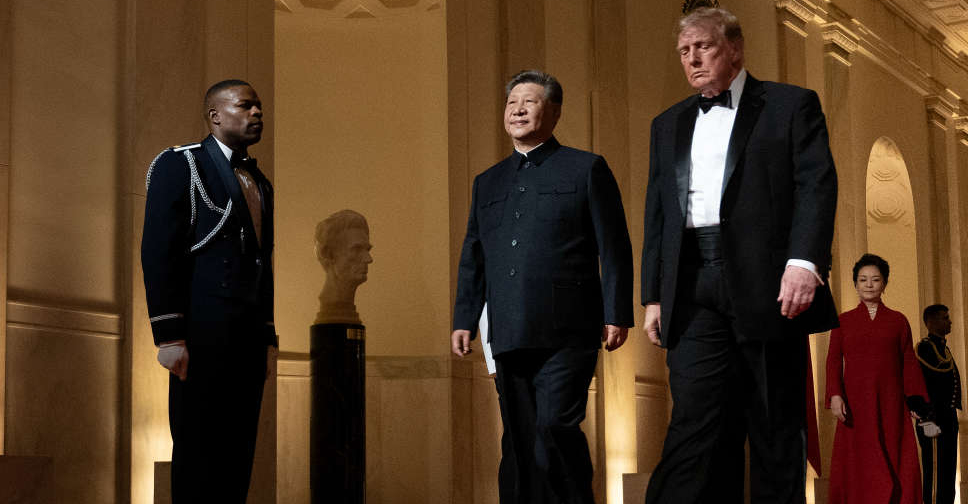 Trump to wrap up Xi summit with a tour of US archives
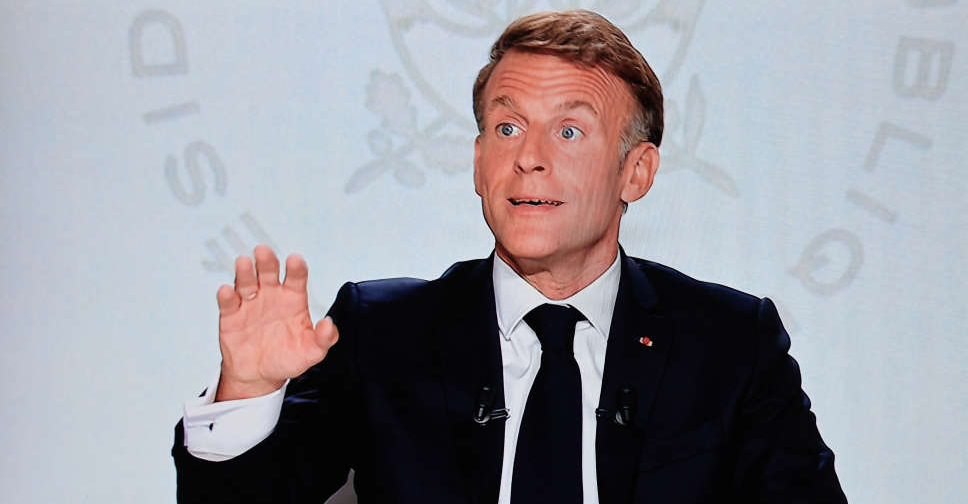 France to send military to protect Saudi Arabia, Macron says
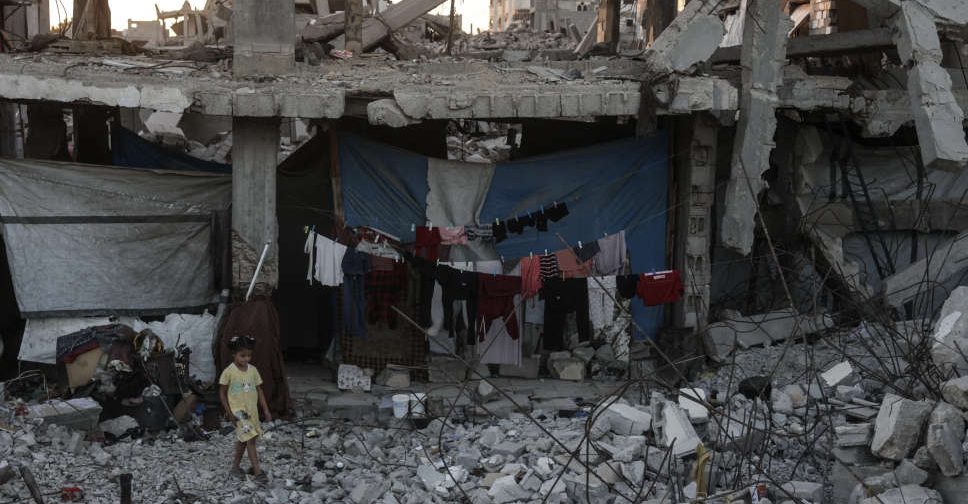 Gaza facing world's worst economic crisis, says UNCTAD
 At UN, Netanyahu defends Israel as delegates walk out
 Trump welcomes Xi to Washington looking for a trade win